
Arthritis Treatment
How can Osteopathy help with arthritis
Arthritis is a common and often debilitating condition that affects millions of people worldwide, causing joint pain, stiffness, and inflammation. It can make everyday tasks challenging and significantly affect quality of life.
While there is no cure for arthritis, there are various treatments that can help manage symptoms and improve joint function. One such option is Osteopathy, which offers a holistic, non-invasive approach to alleviating the discomfort associated with arthritis.
Although the symptoms of arthritis vary depending on the type, they all impact movement and overall function. Complementary therapies are increasingly used to help manage symptoms and improve joint health.
Understanding arthritis
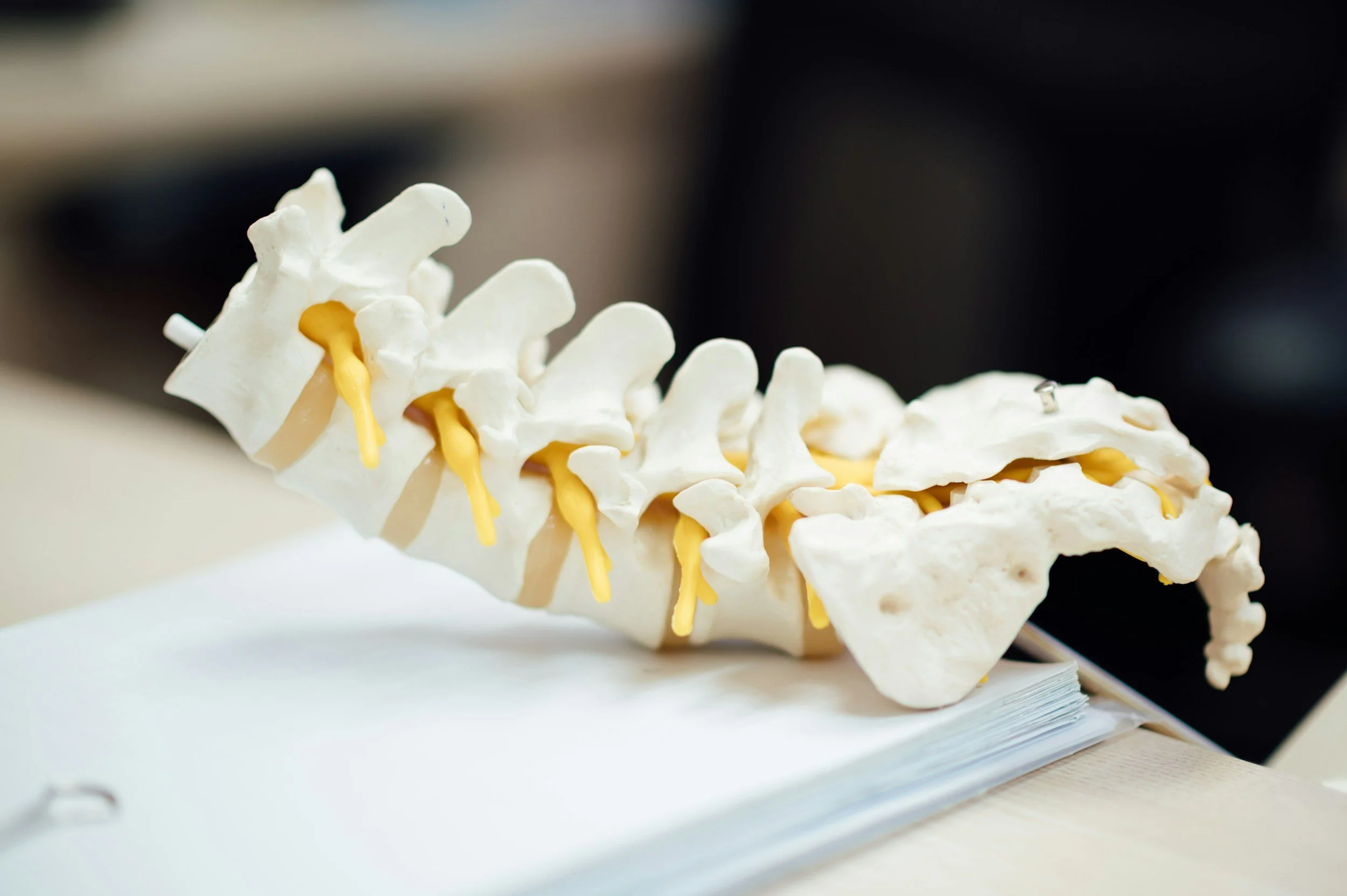
Arthritis refers to a group of over 100 different joint diseases. The most common types include:
Osteoarthritis (OA)
“Wear and Tear” arthritis — OA occurs when the cartilage (the smooth, gliding surface of the joints) deteriorates over time, leading to pain, swelling, and reduced mobility.
Rheumatoid arthritis (RA)
An autoimmune disease where the immune system mistakenly attacks the lining of the joints, causing inflammation, pain, and eventually joint damage.
Psoriatic arthritis
Linked to the skin condition psoriasis, this type of arthritis causes pain, swelling, and stiffness in the joints, often accompanied by skin rashes.
Gout
A form of arthritis characterised by sudden, intense pain and swelling in the joints, typically caused by a build-up of uric acid in the blood.
Our local Osteopathy services are rated 5/5 with Google
How can Osteopathy help?
Osteopathy is a holistic form of manual therapy that focuses on improving the structure and function of the body, particularly the musculoskeletal system. For those living with arthritis, Osteopathy offers a non-invasive, drug-free approach to managing pain, improving mobility, and promoting overall wellbeing.
-
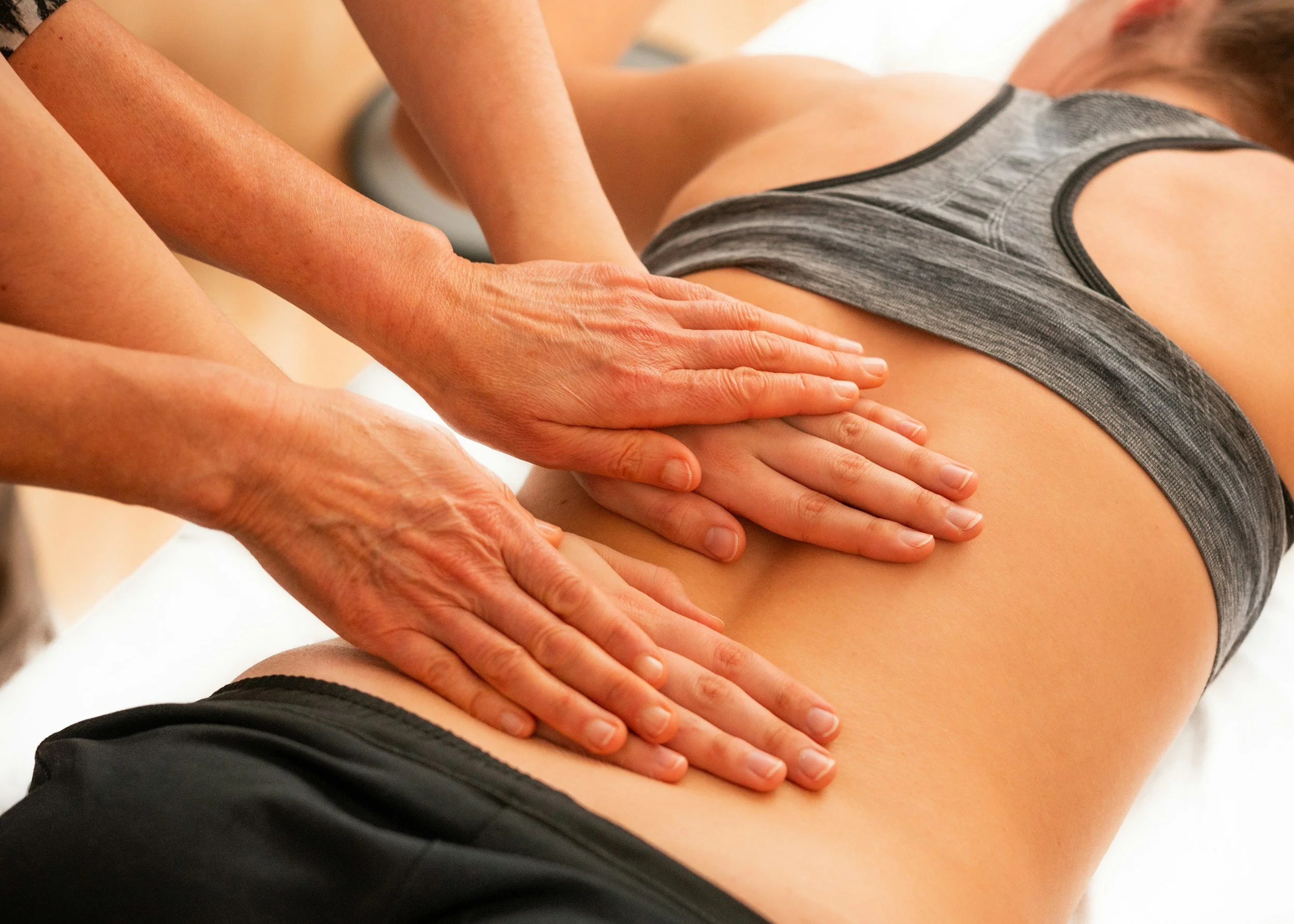
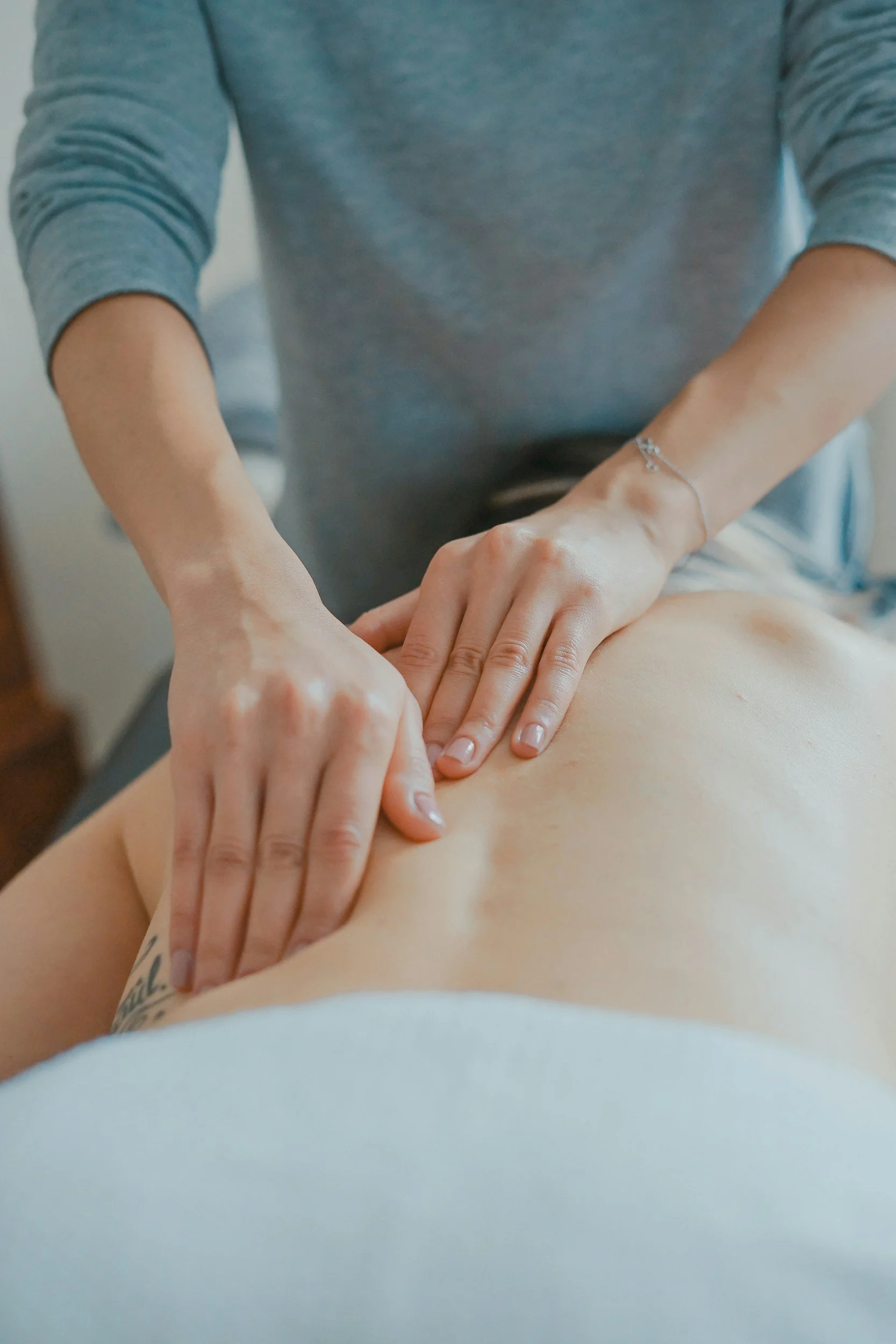
Osteopaths use a range of hands-on techniques to help alleviate the discomfort caused by arthritic pain. Gentle manipulation can relieve muscle tension, reduce joint stiffness, and improve blood circulation, all of which can help ease the pain associated with arthritis.
Key methods include:
Soft tissue massage: relieves tightness in muscles surrounding the affected joints, improving flexibility and reducing pain.
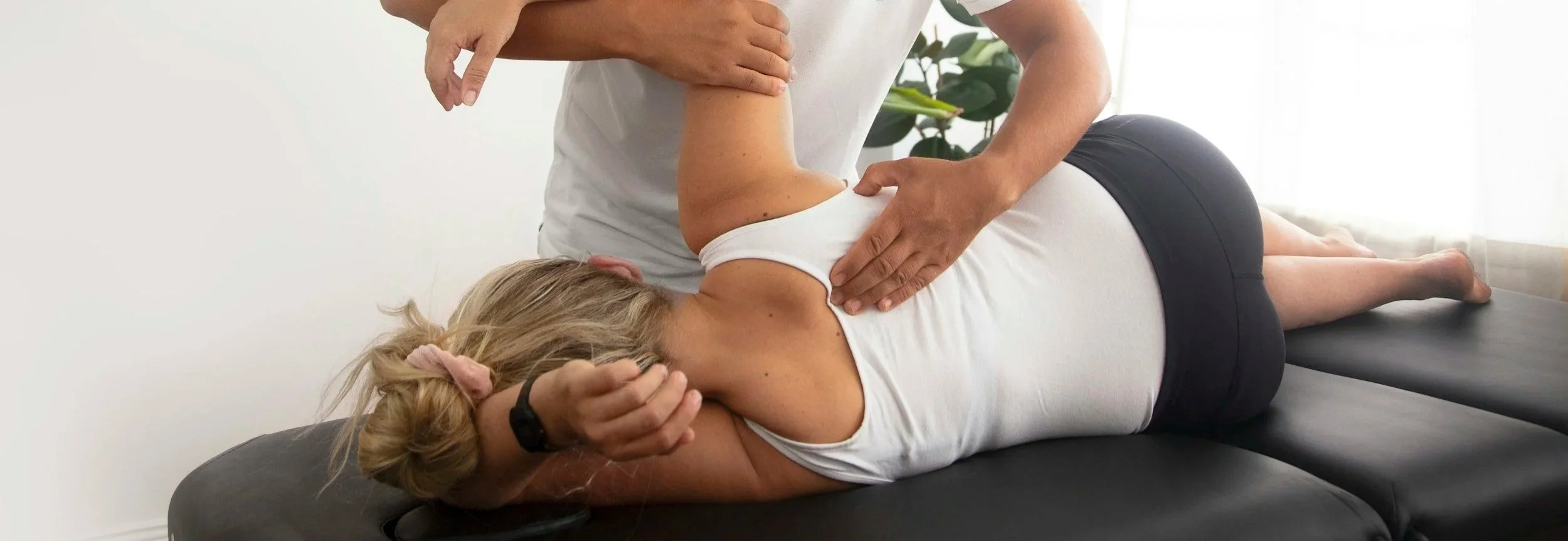
Joint mobilisation: gentle, controlled movements of the joints help maintain or increase their range of motion, reducing stiffness and discomfort.
Laser therapy: at The Osteopathic Clinic Worcestershire we also have K-Laser therapy — a class 4 laser that has proven highly effective in pain reduction and the management of arthritis throughout the body. For more information, please visit our Laser Therapy page.
By addressing musculoskeletal issues, osteopathy can provide significant pain relief for many arthritis sufferers.
-
Synovial fluid (intra-articular fluid) acts mechanically by forming a lubricant film between the fixed and the moving joint surfaces. Improving mobility at the joint causes increased turnover of fluid, providing more cushioning and lubrication.
Osteopathic techniques can help improve joint function and flexibility, allowing for greater ease of movement and further reducing pain. Techniques used include:
Stretching and mobilisation: gentle exercises to enhance flexibility and reduce stiffness, helping to keep the joints moving comfortably.
Posture correction: Osteopaths aim to reduce compensatory patterns that may have occurred due to pain caused by arthritic changes.
Improved mobility can help you continue with daily activities and reduce the overall impact of arthritis on your life.
-
Inflammation is a central factor in many forms of arthritis, particularly rheumatoid arthritis. Techniques that may help include:
Articulation: helps to reduce inflammation by improving circulation and synovial fluid turnover, and by promoting lymphatic drainage to eliminate inflammatory substances within the joints.
Reducing inflammation not only alleviates pain but can also help slow the progression of arthritis, especially in autoimmune types like rheumatoid arthritis.
-
Osteopathy isn't just about hands-on treatment; it also includes lifestyle advice to help you better manage arthritis symptoms day-to-day. This may include:
Exercise and movement: Osteopaths can recommend low-impact exercises that strengthen the muscles around your joints, providing better stability and reducing strain. Activities like walking, swimming, and gentle yoga can be particularly beneficial.
Diet and nutrition: certain foods can aggravate inflammation, while others can help reduce it. For weight-bearing joints, weight loss can be especially beneficial in reducing pain caused by increased pressure on the joint surface.
Stress management: chronic stress can worsen arthritis symptoms, particularly in autoimmune conditions.
By incorporating these lifestyle strategies, Osteopathy helps you take a more proactive role in managing your arthritis.
“Abby is fantastic, she takes real time to understand your body and concerns. Not only offering immediate treatment and relief (so much relief!) but exploring how to make sustainable changes to keep you pain free. Couldn’t recommend her service enough!”
Rebecca Smith
What to expect from osteopathic care
Arthritis can be challenging, but with the right approach it's possible to manage symptoms and maintain a good quality of life. Osteopathy offers a holistic, drug-free approach to treating arthritis focused on reducing pain, improving joint mobility, and managing inflammation.
By addressing the underlying musculoskeletal issues, osteopathy can help you stay active, reduce pain, and improve your overall wellbeing.
Osteopaths in Worcester and Malvern
Osteopathic Assessment and treatment can be useful for any musculoskeletal conditions including lower back pain, Sciatica, Neck pain, Shoulder injuries and sports injuries. For more information contact us today